The Ultimate Guide to Swimming Pool Maintenance: Keep Your Oasis Crystal Clear
Upkeeping a swimming pool calls for diligence and knowledge. Adequate maintenance ensures a hygienic and secure environment for leisure. Key strategies involve consistent maintenance schedules and tracking water balance. Essential tools play an important role in this process. Identifying prevalent maintenance issues can stop serious concerns from escalating. As pool owners handle these responsibilities, they regularly seek out the most reliable techniques. The following sections will deliver knowledge about keeping a spotless swimming environment.
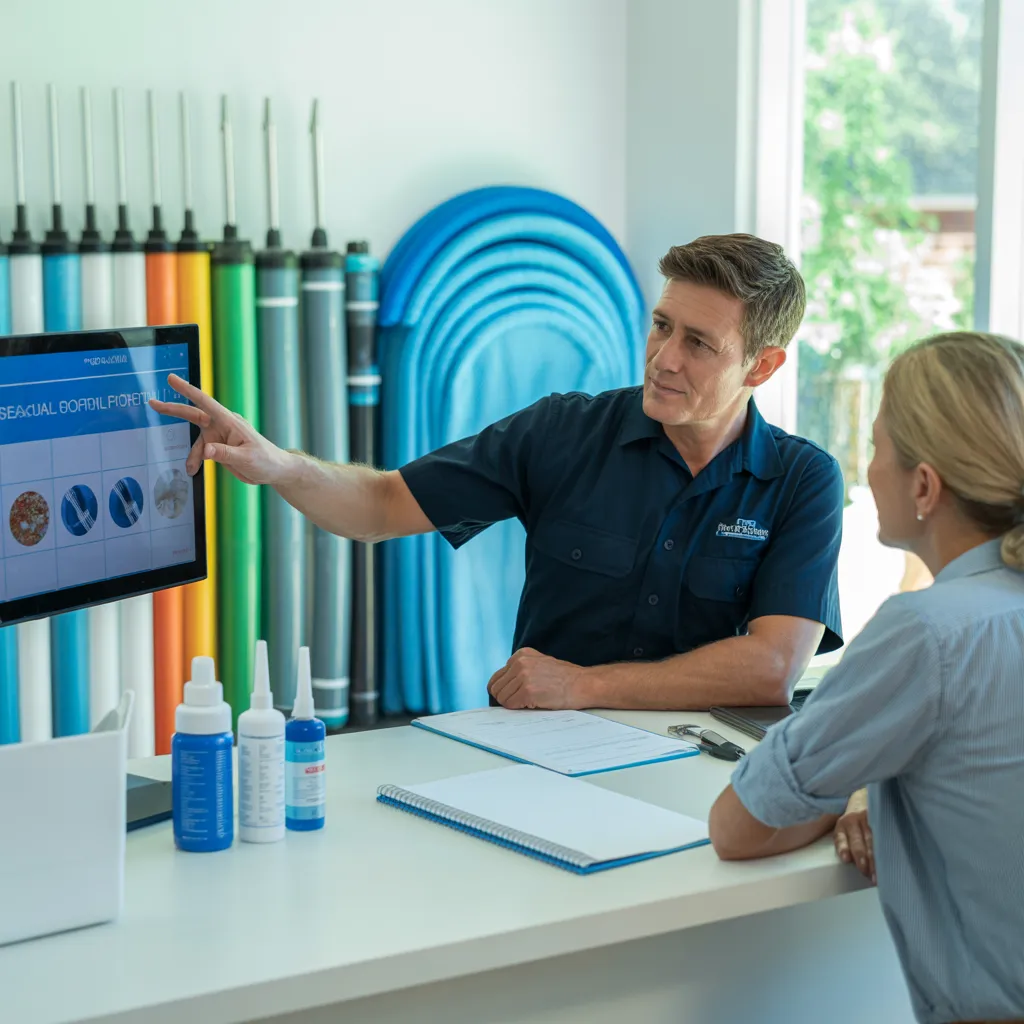
How to Maintain Your Pool: The Basics
Maintaining a swimming pool demands regular attention to ensure water quality and equipment functionality. Basic maintenance involves several essential tasks that should be completed on a routine basis. First, daily surface skimming eliminates contaminants, ensuring the water stays clean and uncontaminated. Next, weekly brushing of the walls and floor keeps algae from developing, creating a cleaner and healthier swimming space.
Additionally, checking and balancing water chemistry is critical. This includes tracking pH levels, alkalinity, and chlorine concentration to ensure safe swimming conditions. Periodically cleaning or replacing the pool filter enhances circulation and filtration, while examining the pump and heater ensures they operate efficiently.
Finally , managing water levels is essential , as evaporation may cause imbalances . Consistently adding water to the pool keeps the water at the appropriate level . By implementing these core practices , pool owners can preserve a clean and welcoming swimming environment throughout the seasons .
Key Tools for Pool Maintenance
Successful pool care requires keeping the proper tools available. Essential equipment includes a skimmer, which successfully eliminates unwanted material from the pool's surface, maintaining water clarity. A pool vacuum, either manual or automatic, is critical for preserving the bottom of the pool, while a brush helps scrub the walls to avoid algae accumulation.
A dependable water testing kit is important for measuring chemical levels, allowing for prompt corrections. Moreover, a leaf skimmer is useful for larger debris, especially during windy seasons. Protective pool covers also serve a key purpose in maintaining pool cleanliness and minimizing maintenance efforts.
Lastly, a top-quality pool ladder and safety equipment enhance accessibility and promote swimmer safety. By arming oneself with these critical tools, pool owners can maintain a crystal-clear oasis, creating a secure and pleasant environment for everyone.
How to Achieve Proper Pool Water Chemistry Balance
Maintaining proper pool water chemistry plays a vital role in creating a safe and pleasant swimming experience. Achieving proper balance requires tracking key parameters: pH levels, alkalinity, calcium hardness, and chlorine. The ideal pH range is typically between 7.2 and 7.8. If the pH is too low, it can cause skin irritation and corrosion, while a high pH can lead to cloudy water and scaling.
Alkalinity serves as a regulating factor for pH, with an effective range of 80 to 120 parts per million (ppm). Regulating alkalinity assists in keeping pH levels stable. Calcium hardness should be maintained between 200 and 400 ppm to prevent corrosion of pool surfaces and equipment.
Regular testing of these key parameters, with test strips or a liquid test kit, enables prompt adjustments. Keeping water chemistry balanced not only encourages a more enjoyable swimming experience but also increases the longevity of the pool and its equipment.
What Are the Most Effective Pool Cleaning Methods?
Multiple pool cleaning approaches can maintain a pristine swimming experience. Routinely skimming of the surface eliminates leaves, debris, and insects, preventing them from sinking and accumulating on the pool floor. Cleaning the pool floor with a vacuum is essential for clearing dirt and algae buildup; a range of manual and automatic vacuums can be used according to pool size and personal preference.
Cleaning the walls and steps assists in stopping algae growth, particularly in corners and crevices. Furthermore, maintaining the filter system is essential; consistent backwashing or cleaning promotes optimal water circulation and filtration.
Utilizing a pool cover during periods of non-use can limit debris buildup and decrease the need for frequent cleaning. Finally, investing in robotic cleaners can automate the process, offering convenience and efficiency. By regularly applying these strategies, pool owners can keep their swimming area clean and inviting across all seasons.
How to Resolve Frequent Pool Problems
Addressing frequent pool concerns is important for sustaining a safe and inviting swimming setting. Cloudy water and algae infestations are common problems that pool operators may come across. Determining proven treatments for these problems can contribute to restoring water quality and sanitation.
Murky Water Remedies
Cloudy water is a common issue that many pool owners encounter, commonly pointing to underlying conditions that demand attention. To address this problem, it is vital to first test the water's chemical balance, concentrating on pH, alkalinity, and chlorine readings. Unbalanced chemical levels can result in murky water. Additionally, confirm that the filtration system is working as intended; clogged or dirty filters can greatly impact water clarity. Consistently backwashing and maintaining filters can support top-level performance. Additionally, consider adding a clarifier to help coagulate small particles, rendering them simpler to remove through filtration. Lastly, tackling any buildup of debris on the pool surfaces can further enhance water clarity. By consistently managing these aspects, pool owners can bring their pool back to a pristine and gleaming state.
Algae Infestation Solutions
Battling algae outbreaks demands swift and decisive action to bring the pool back to health. The first step involves testing the water chemistry to measure pH and chlorine levels, guaranteeing they are within ideal ranges. Chlorine shock treatments or targeted algaecides can eliminate algae efficiently. Following treatment, scrubbing the pool walls and floor helps loosen stubborn algae deposits, while a vacuum clears debris from the pool floor. Proper filtration is vital; running the pump for at least 24 hours post-treatment allows for adequate water turnover. Prevention strategies involve keeping chemicals balanced and cleaning the pool regularly. Additionally, a UV system installation can prevent future algae growth. Watching for initial signs of algae, like unusual discoloration, ensures timely action and maintains a crystal-clear pool.
Seasonal Pool Maintenance: What You Need to Know
As seasons transition, keeping a swimming pool in top condition becomes crucial to guarantee its long-term durability and optimal performance. Every season brings distinct challenges that require specific attention. Throughout the winter season, thorough pool readiness includes reducing water levels, placing a cover over the pool, and balancing chemicals to avoid damage from freezing temperatures. Pool upkeep in spring involves clearing away debris, evaluating pool systems, and maintaining the correct chemical balance as warmer temperatures arrive.
Summer, typically the busiest swimming period, necessitates regular cleaning, checking water levels regularly, and consistent chemical balancing due to increased usage. Lastly, the fall season demands eliminating leaves and accumulated debris, preparing the pool for winter, and making sure all equipment is prepared for the winter months.
Adhering to this seasonal maintenance schedule not only preserves water quality but also extends the life of pool infrastructure, making it an essential part of owning a pool. Understanding these seasonal needs helps pool owners maintain a safe and inviting swimming environment year-round.
Practical Pool Maintenance Tips
Proper pool maintenance is essential for keeping water clean and inviting. Scheduled water testing, a structured cleaning plan, and necessary equipment care are critical factors that secure top-level performance. By adopting these methods, pool owners can extend the lifespan of their pools and improve the experience for swimmers.
Scheduled Water Testing
Regular water testing is essential for ensuring a safe and inviting swimming pool. This method encompasses evaluating the water's pH, chlorine levels, alkalinity, and other chemical parameters to secure the best possible conditions for swimmers. Ideally, testing should be conducted at least once a week, or even more often during high-demand swimming seasons. By utilizing a trustworthy testing kit, pool owners can efficiently measure water quality and implement needed corrections. Maintaining proper chemical levels not only enhances swimmer comfort but also prevents issues such as algae growth and equipment damage. Moreover, consistent testing supports a healthy swimming environment, minimizing the chances of waterborne illnesses. By committing to consistent water testing, pool owners can confirm their oasis continues to be appealing and safe all year long.
Routine Cleaning Schedule
While caring for a swimming pool, creating a regular cleaning schedule is essential for maintaining optimal water quality and a satisfying swimming experience. A well-structured routine should include skimming the surface for debris at least biweekly, performing weekly vacuuming of the pool floor, and brushing the walls and tiles to prevent algae buildup. Regularly cleaning the skimmer and pump baskets is essential, as obstructed filters can impede proper circulation. Moreover, caring for the pool's waterline by cleaning it on a weekly basis helps prevent unsightly stains. By sticking to this maintenance schedule, pool owners can lessen the demand for major cleaning tasks in the future, effectively increasing the longevity of the pool and improving the overall pleasure of their backyard retreat.
Core Equipment Maintenance Essentials
Keeping up with pool equipment is crucial for ideal performance and longevity. Consistent inspection and maintenance of filters, pumps, and heaters support efficient operation. Filters should be serviced or swapped out as recommended by the manufacturer, while pumps require frequent evaluations for clogs and debris. Heaters must be checked for corrosion and proper function, with any essential maintenance addressed quickly. Additionally, keeping the water chemistry in check helps protect equipment from damage, extending its lifespan. Owners are advised to check that hoses and skimmers are in excellent shape, replacing any worn parts immediately. By committing to these maintenance fundamentals, pool owners can enjoy a consistently clean and inviting swimming environment, while also decreasing the necessity for costly repairs.
Questions We Often Receive
How Often Do I Need to Run My Pool Pump?
Most experts recommend operating a pool start here pump eight to twelve hours per day, based on pool size and usage. This ensures adequate filtration, balanced chemical distribution, and clear water, keeping a safe and healthy swimming environment for all users.
Is Regular Bleach Suitable for Sanitizing My Pool?
Using regular bleach to sanitize a pool is generally not recommended. This can result in imbalanced water chemistry and possible damage to pool equipment. Specialized pool sanitizers are more effective and safer for maintaining water quality.
What Are the Warning Signs of a Pool Leak?
Indicators of a pool leak encompass decreased water levels, damp spots around the pool area, increased chemical usage, and observable damage or cracks within the pool structure. Frequent checks can assist in catching these issues in their early stages.
What Are the Proper Steps to Winterize My Pool?
To properly winterize a pool, one should begin by cleaning the pool, bring down the water level, introduce winterizing chemicals, cover the pool securely, and ensure all pool equipment is properly drained and stored to prevent damage during colder months.
Are There Eco-Friendly Pool Maintenance Options Available?
Green pool maintenance alternatives consist of using solar covers, natural enzymes, and saltwater systems. Furthermore, selecting environmentally friendly cleaning agents and utilizing optimized filtration systems can greatly reduce chemical use and environmental impact during pool care.